 en
 FR
 IT
 ES


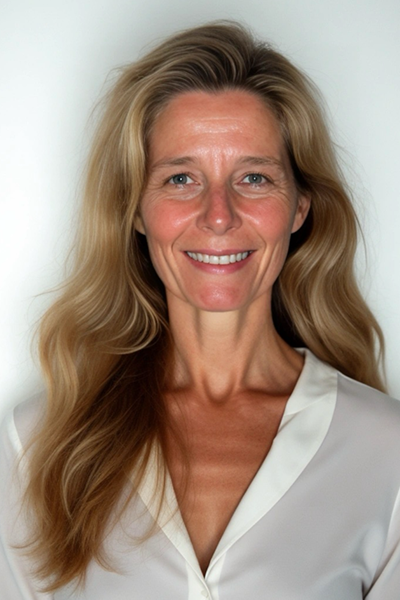

July 14 is a special date for all French people, but also for Victoria of Sweden. The Crown Princess, born in Stockholm in 1977, celebrates her birthday on the very same day as France’s national holiday. A charming calendar coincidence for this future Queen of Sweden, whose family origins also carry a part of French history. Victoria is indeed a descendant of Jean-Baptiste Bernadotte, Marshal of France under Napoleon I, who became King of Sweden in 1818 under the name Charles XIV John. More than two centuries after this dynasty from France acceded to the Swedish throne, its current heir continues to embody the historic link between the two countries.
But Victoria is above all deeply Swedish. Born into the royal family, trained for her future role as sovereign and committed to the major issues of her time, she represents a new generation of European monarchy: attached to tradition, yet open to a changing society.
An heir from a modern constitutional monarchy
Victoria Ingrid Alice Désirée is the eldest child of King Carl XVI Gustaf and Queen Silvia. At the time of her birth, nothing destined her to become queen. Under the succession rules then in force, based on the tradition of male preference, the son of the sovereign would have been first in line to the throne.
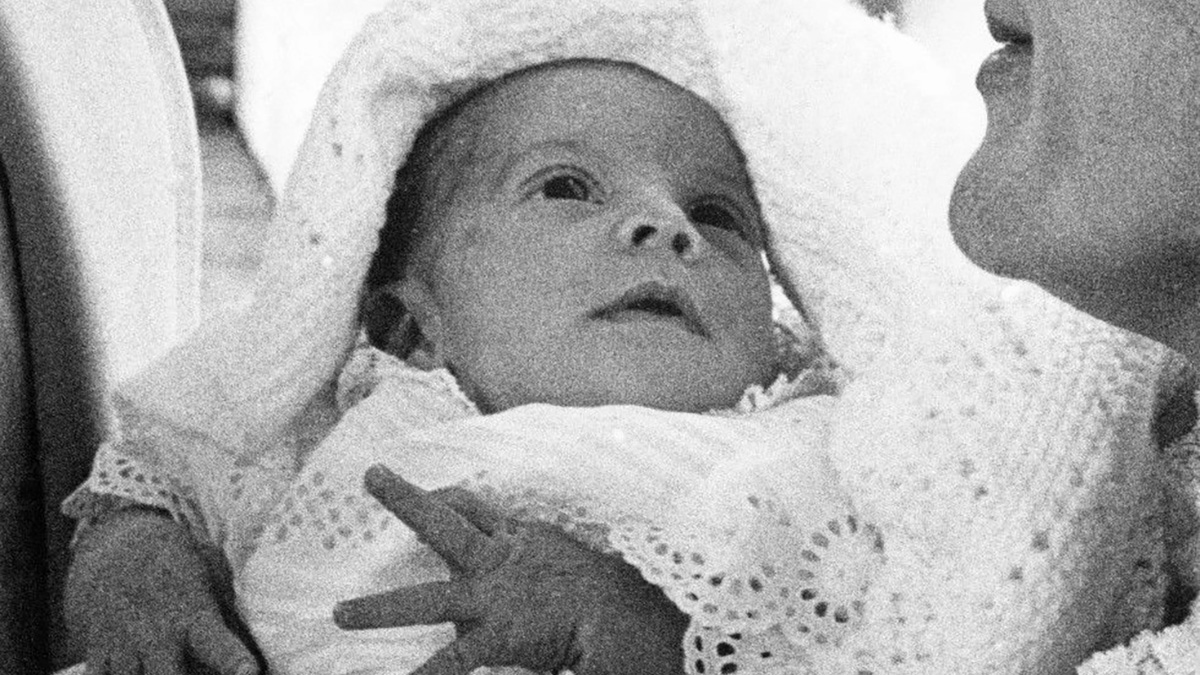
At the end of the 1970s, this appeared increasingly out of step with the evolution of Swedish society, where equality between women and men had become one of its founding principles. Under the Social Democratic government of Olof Palme, a reform of the Succession to the Crown Act was introduced, from then on, the eldest child of the sovereign would become king, or queen, regardless of gender. Adopted by Parliament in 1979 and entering into force on January 1st, 1980, this reform made Sweden the first monarchy in the world to apply this principle.
The reform had an immediate consequence. Prince Carl Philip, born on May 13, 1979, has been Crown Prince for a few months only. When the new law came into effect, it was his older sister Victoria, born on July 14, 1977, who officially became Crown Princess. This change, exceptional in the history of European monarchies, illustrated Sweden’s determination to adapt a centuries-old institution to contemporary values of equality.
This development sometimes echoes another major figure in Swedish history: Christina of Sweden. Daughter of King Gustav II Adolf, she ascended the throne in 1632 at the age of six, following her father’s death at the Battle of Lützen. A revealing detail of the era is that she was often referred to in official documents as “king” (kung) rather than “queen” (drottning), as the title of queen was then referred to the sovereign’s wife rather han with the exercise of power. Christina ruled in her own right before abdicating in 1654.
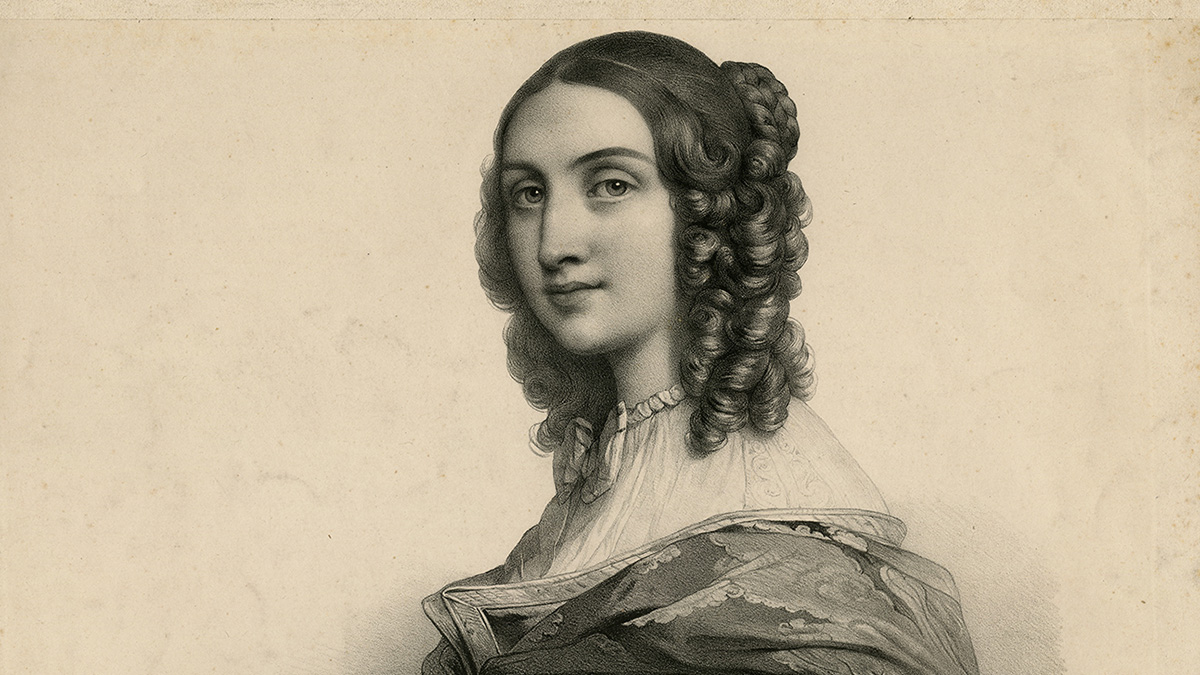
Between Christina, who had to be considered a “king” in order to fully exercise her authority, and Victoria, who became heir to the throne thanks to a reform enshrining gender equality, nearly three and a half centuries of history witnesses the profound transformation of the Swedish monarchy. More than a simple change to the rules of succession, the 1980 reform marked the adaptation of a centuries-old institution to the values of a modern democracy.
Although her institutional destiny was shaped from an early age, her childhood remained that of a young princess, balancing family life with preparation for her future responsibilities. Victoria grew up mainly at Drottningholm Palace, near Stockholm, surrounded by her brother Carl Philip and her sister Madeleine. Her parents provided her with an upbringing as close as possible to that of other Swedish children, while gradually introducing her to her role as heir to the throne.
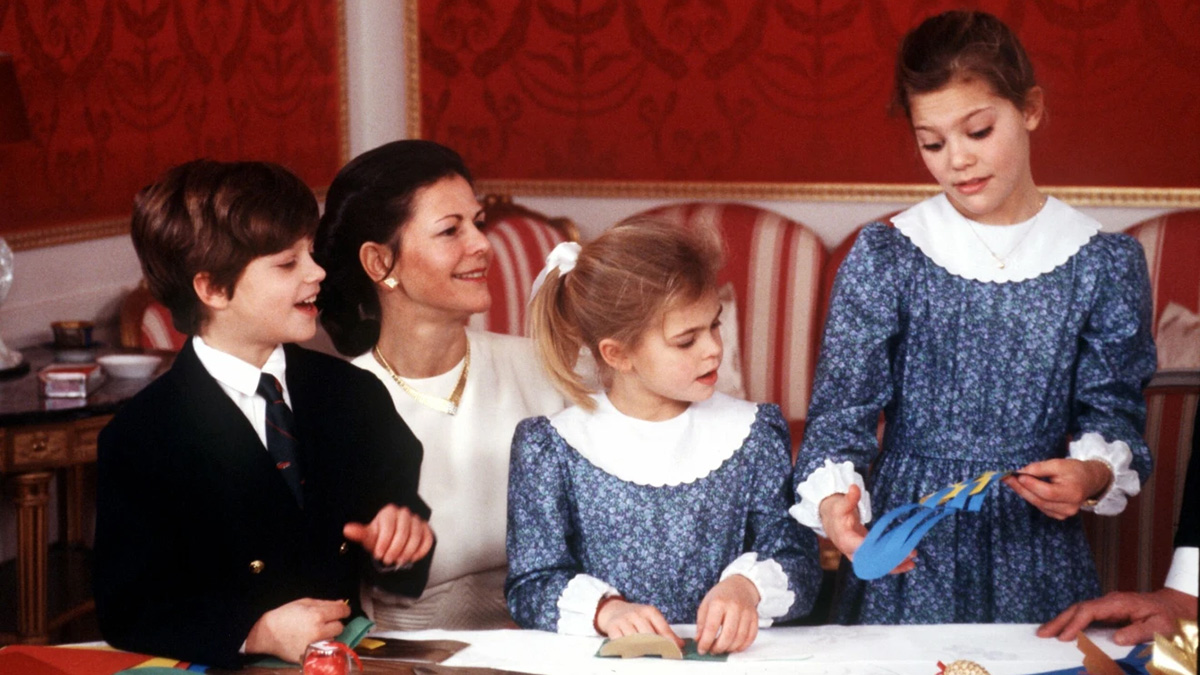
From a very young age, she accompanied the king and queen at certain official ceremonies and discovered the requirements of her duty.
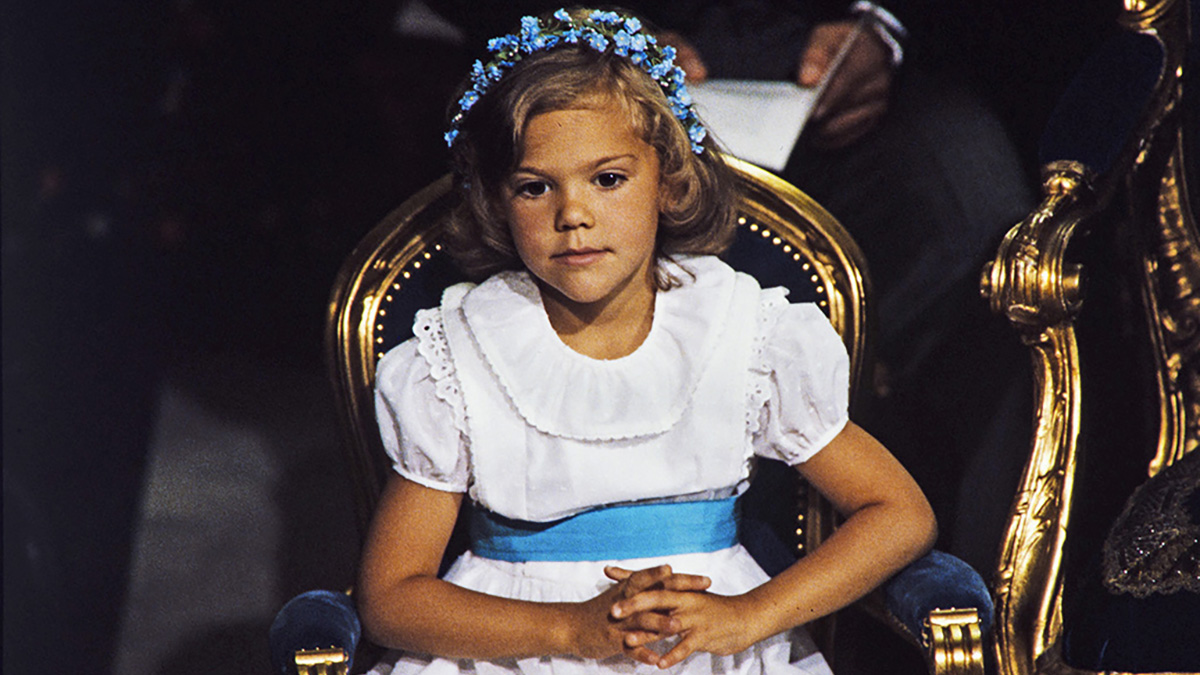
This childhood, shared between a relatively protected family life and a gradual learning of the duties of the Crown, provided the foundation for the training she would later receive in order to one day carry out the responsibilities of head of state.
A training designed for a future head of state
Unlike monarchies where the royal function is primarily based on tradition, the modern Swedish monarchy places particular importance on the institutional preparation of the heir to the throne. Victoria has pursued an international academic education, particularly in political science and international relations, and has completed internships with Swedish and international institutions in order to better understand the functioning of the public administration, diplomacy, and the economy.
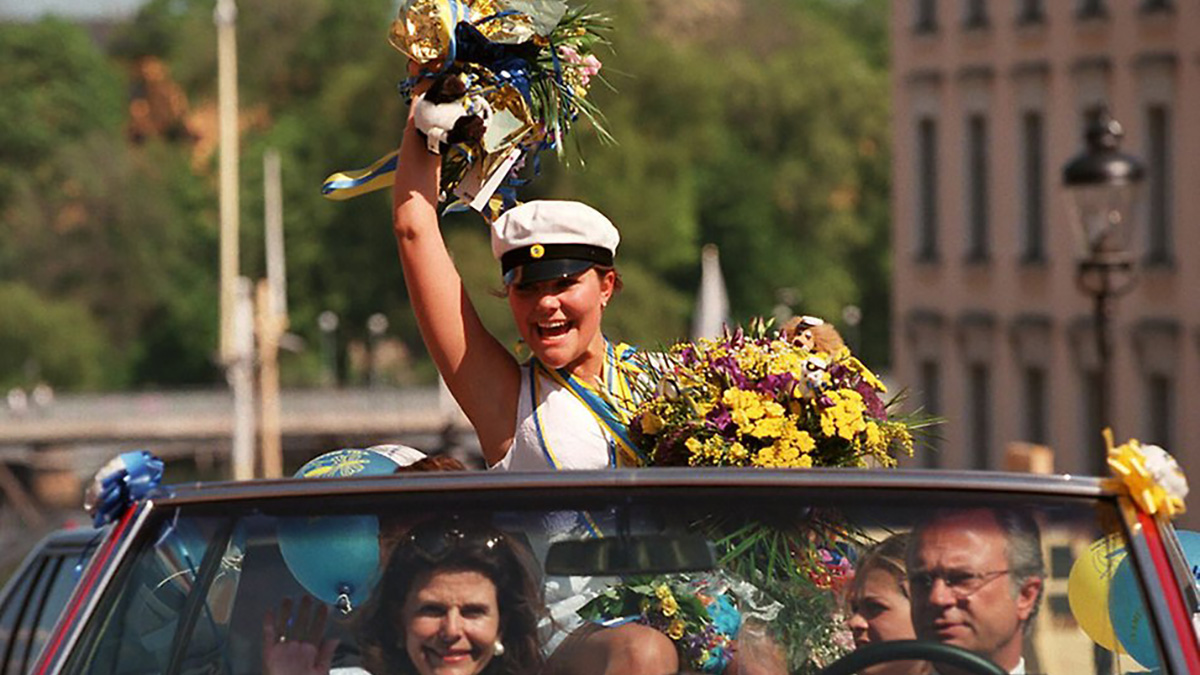
She also received military training, in accordance with the Swedish royal tradition, which considers knowledge of the armed forces to be an essential element in preparing for the role of head of state.

For several years, she has regularly accompanied the king in his official duties, representing Sweden during state visits, diplomatic meetings, and national events.
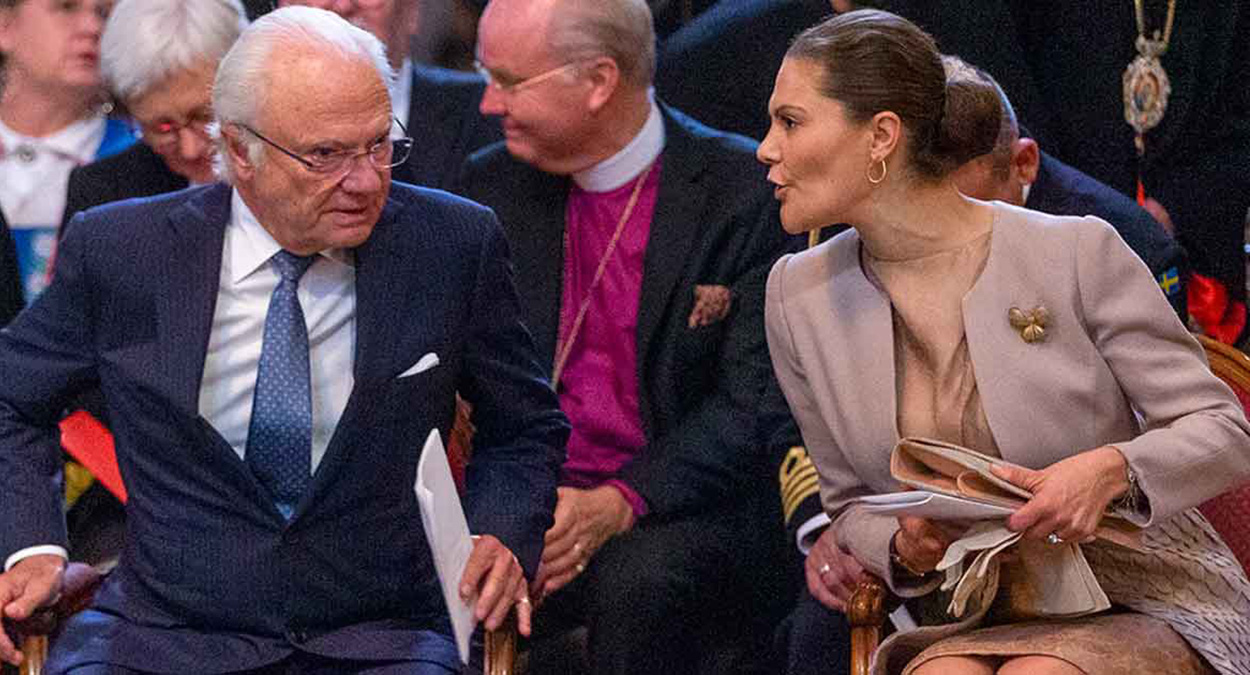
A contemporary picture of Sweden
Victoria’s role today goes beyond simple ceremonial representation. She has become an ambassador for the values associated with Sweden’s international image: innovation, sustainable development, social equality, and international cooperation. Her commitments focus particularly on public health, youth, environmental protection, and issues related to sustainable development. Through her work, she contributes to the image of Sweden as an open, progressive country involved in the major challenges of the contemporary world.

Her interest in nature and Swedish heritage also reflects a strong national tradition, the relationship with the land, landscapes, and natural spaces occupies a central place in the collective identity.
A symbolic evolution of the monarchy
Victoria’s marriage to Daniel Westling in 2010 represents a particularly revealing moment in the evolution of the Swedish monarchy. A former sports coach and entrepreneur, Prince Daniel did not belong to the aristocracy or to the circles of traditional power. Their union illustrates a monarchy close to the society it represents.
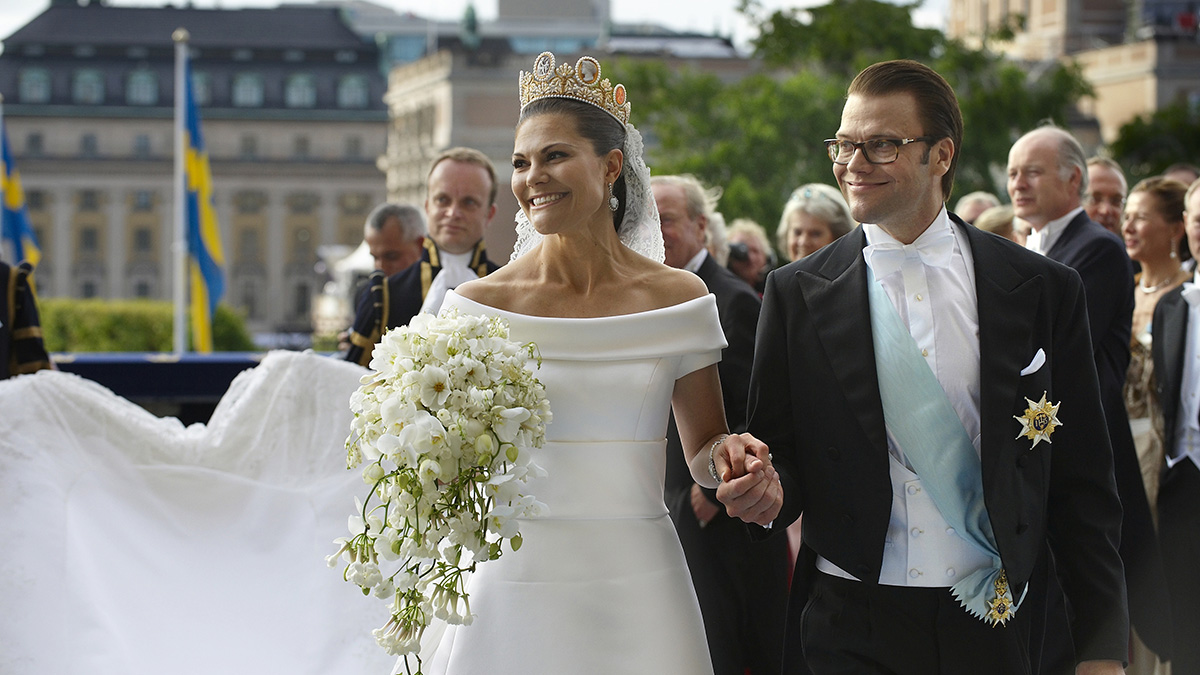 Photo: Alexis Daflos/The Royal Court of Sweden
The couple has two children: Princess Estelle, born in 2012 and second in line to the throne, and Prince Oscar, born in 2016. Through them, the continuity of a dynasty firmly rooted in the 21st century is already taking shape.
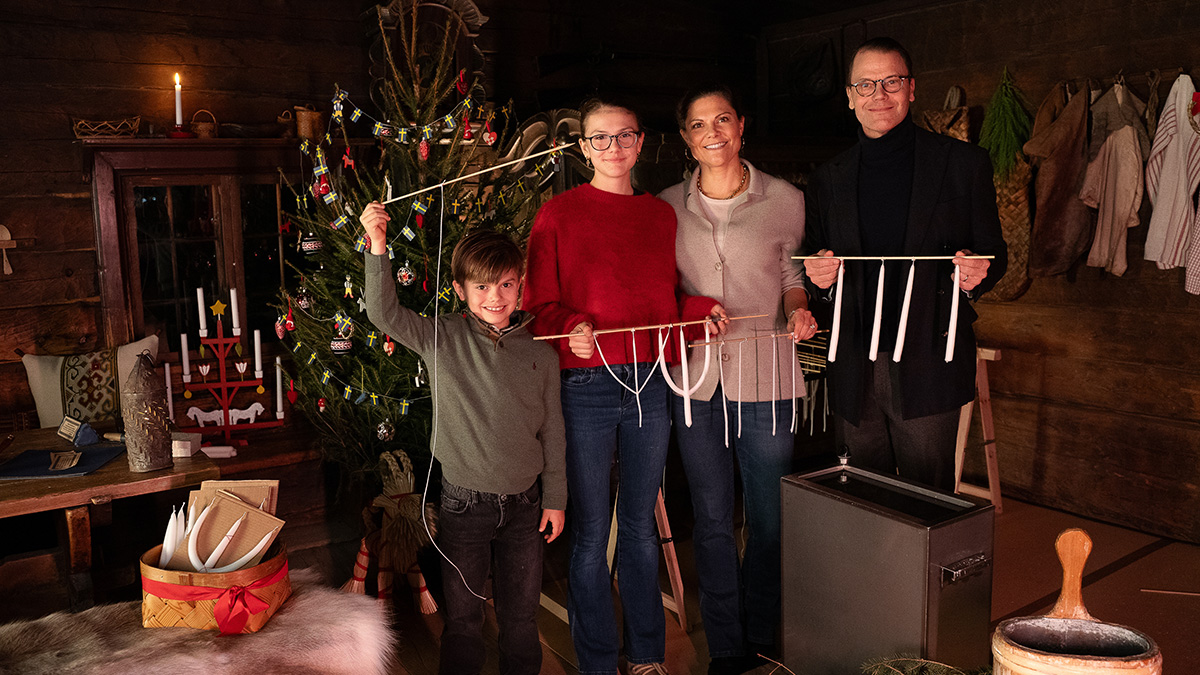 Photo: Sara Friberg/The Royal Court of Sweden
A future queen in the continuity of a Swedish tradition
Victoria will become the fourth woman to reign over Sweden (after Margaret I, Christina, and Ulrika Eleonora). Her accession to the throne will be a historic event, but it will above all represent the height of several decades of preparation for a role that has evolved profoundly over time.
The Swedish monarchy has no direct political power: the sovereign acts as the symbolic representative of the state and as a figure of national unity. In this context, Victoria’s role is based less on authority than on the ability to represent, unite, and pass on values and traditions.
The Crown Princess embodies a Nordic monarchy in transition: faithful to its history, yet receptive to the values and expectations of contemporary society.